BPC-157 / TB-500
The conversation between repair and regeneration.
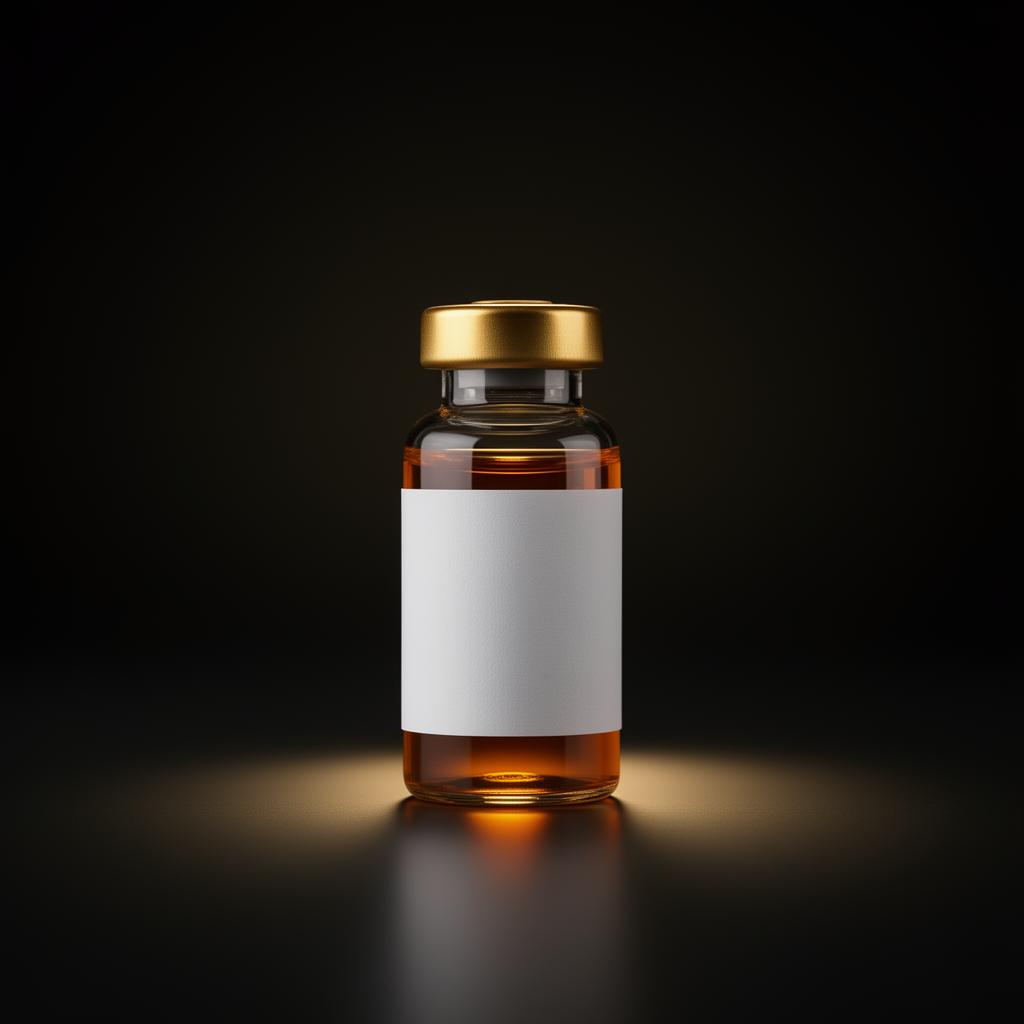
Includes syringes & alcohol pads
HPLC-verified ≥99% purity · Certificate of Analysis
Two molecules. One blueprint for healing.
BPC-157 is a fragment derived from a protein found in gastric juice — the body's own protective compound. TB-500 is a fragment of Thymosin Beta-4, a protein concentrated in sites of injury and repair. Alone, each has a growing research literature. Together, they represent the most widely used healing stack in peptide research.
BPC-157 leans local: inflammation, gut integrity, tissue protection. TB-500 leans systemic: circulation, cell migration, connective tissue. The blend honors the two halves of how bodies actually heal.
Soft Tissue Repair
Researched for effects on tendons, ligaments, and muscle.
Gut Integrity
BPC-157 is extensively studied for its role in gastric and intestinal health.
Systemic Regeneration
TB-500 supports the cellular migration involved in healing.
Anti-Inflammatory Signaling
Both compounds modulate inflammation at the site and systemically.
Background
BPC-157 and TB-500 together represent the most widely studied combination in regenerative peptide research, with literature spanning soft tissue repair, gut integrity, and systemic regeneration.
Often paired with:
Questions, answered.
"Bodies heal in conversation. These molecules help the dialogue."
NAD+
The current beneath every cellular conversation.
MOTS-C
The signal your mitochondria send to the rest of you.
Retatrutide
Three receptors. One molecule. A new conversation with metabolism.
For research use only. Not evaluated by the FDA. Not intended to diagnose, treat, cure, or prevent any disease.
Research peptides are short chains of amino acids used exclusively for scientific research and laboratory studies. They are not intended for human consumption, diagnostic, or therapeutic use.